Master JKSimMet for real plant performance — from setup to optimization in hands-on modules.
Hands-on training + real plant models + professional certification
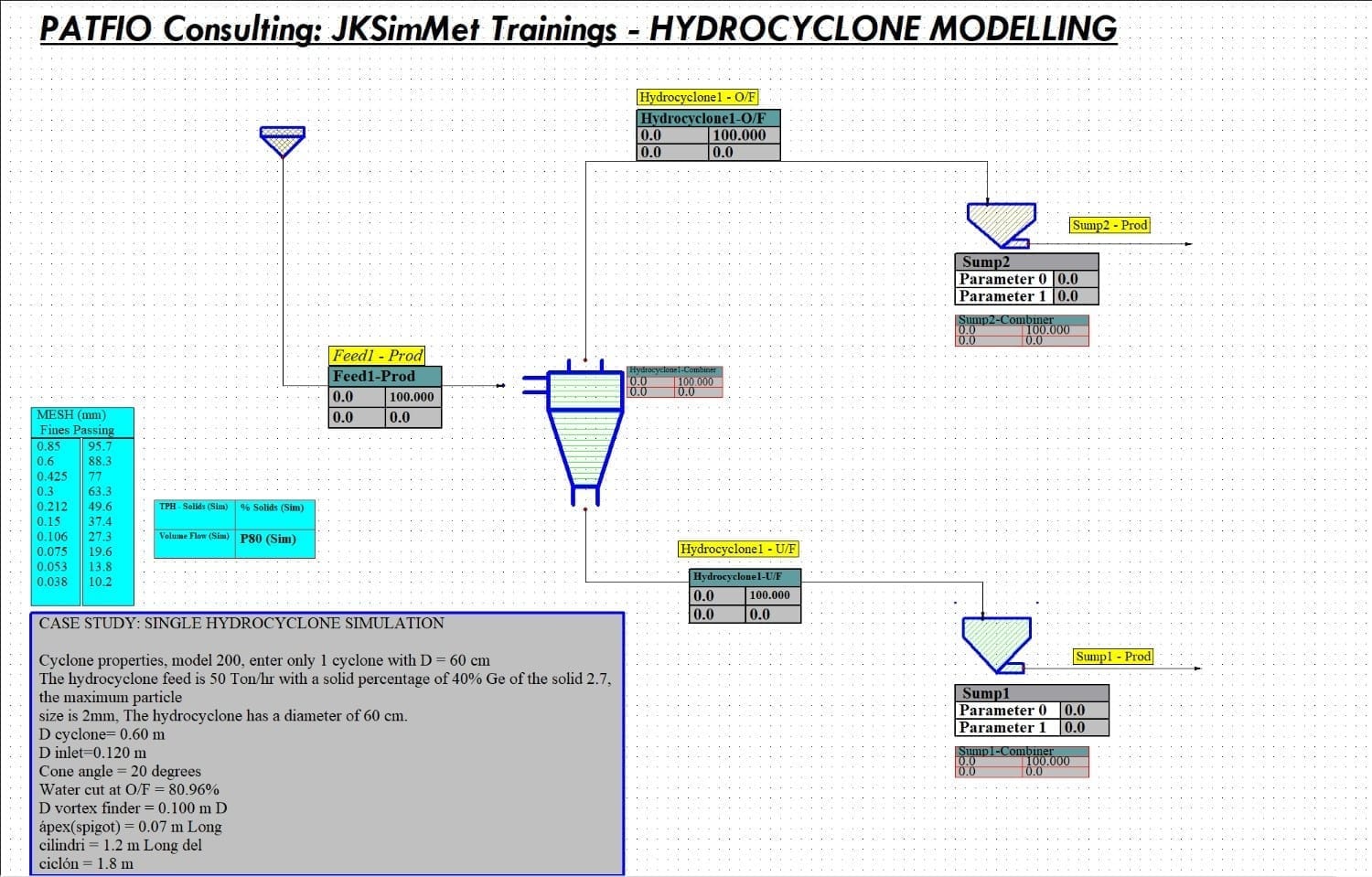
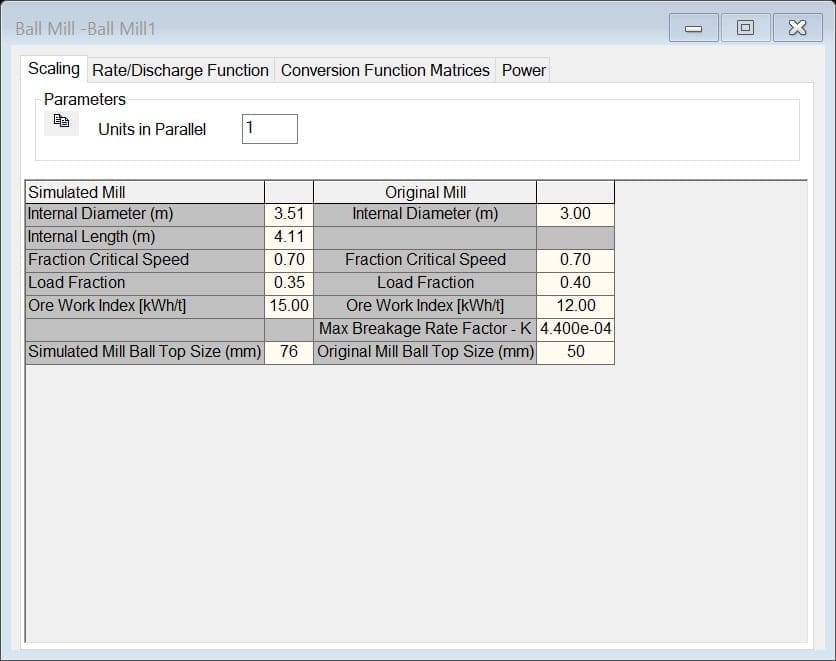
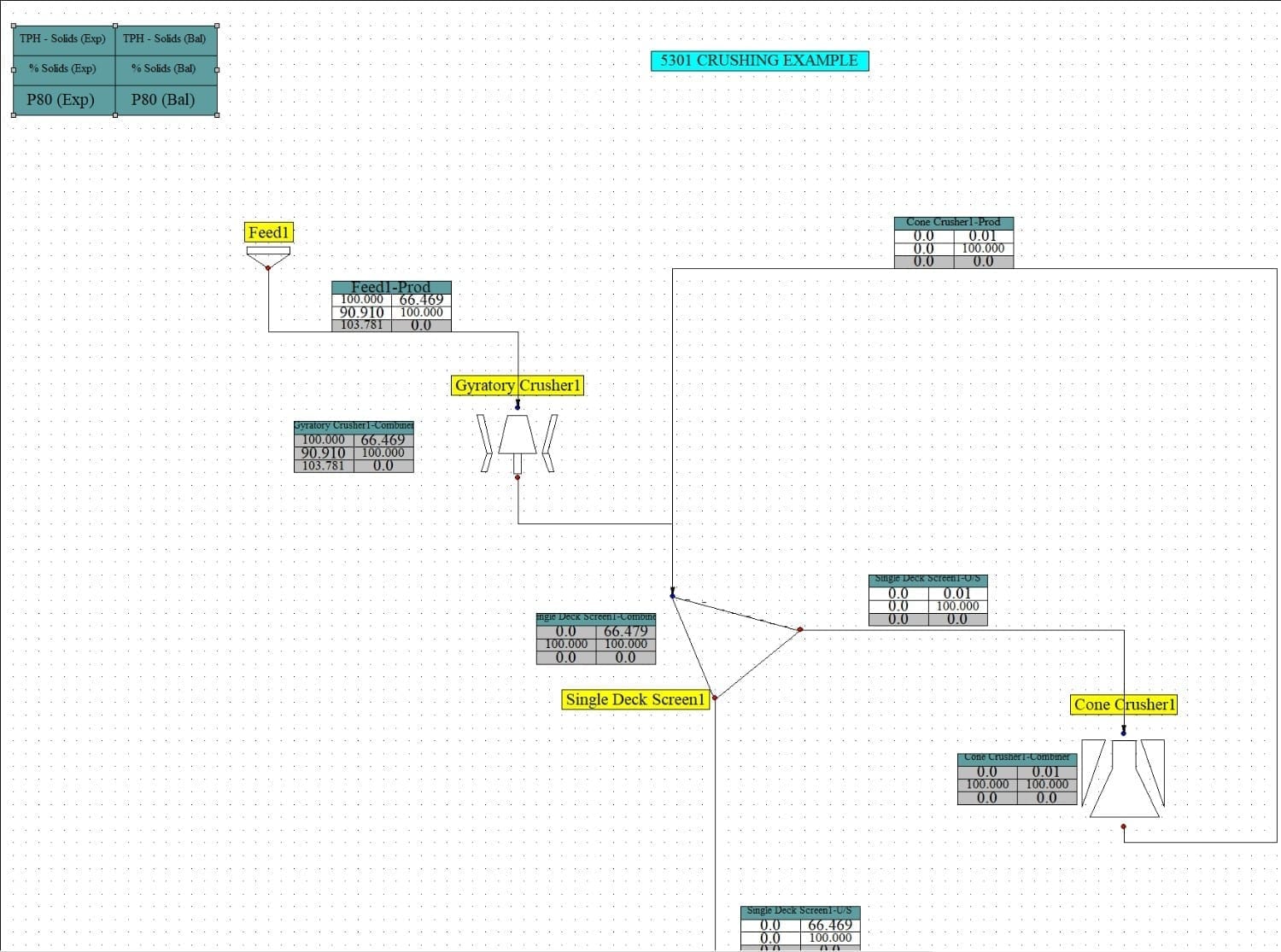
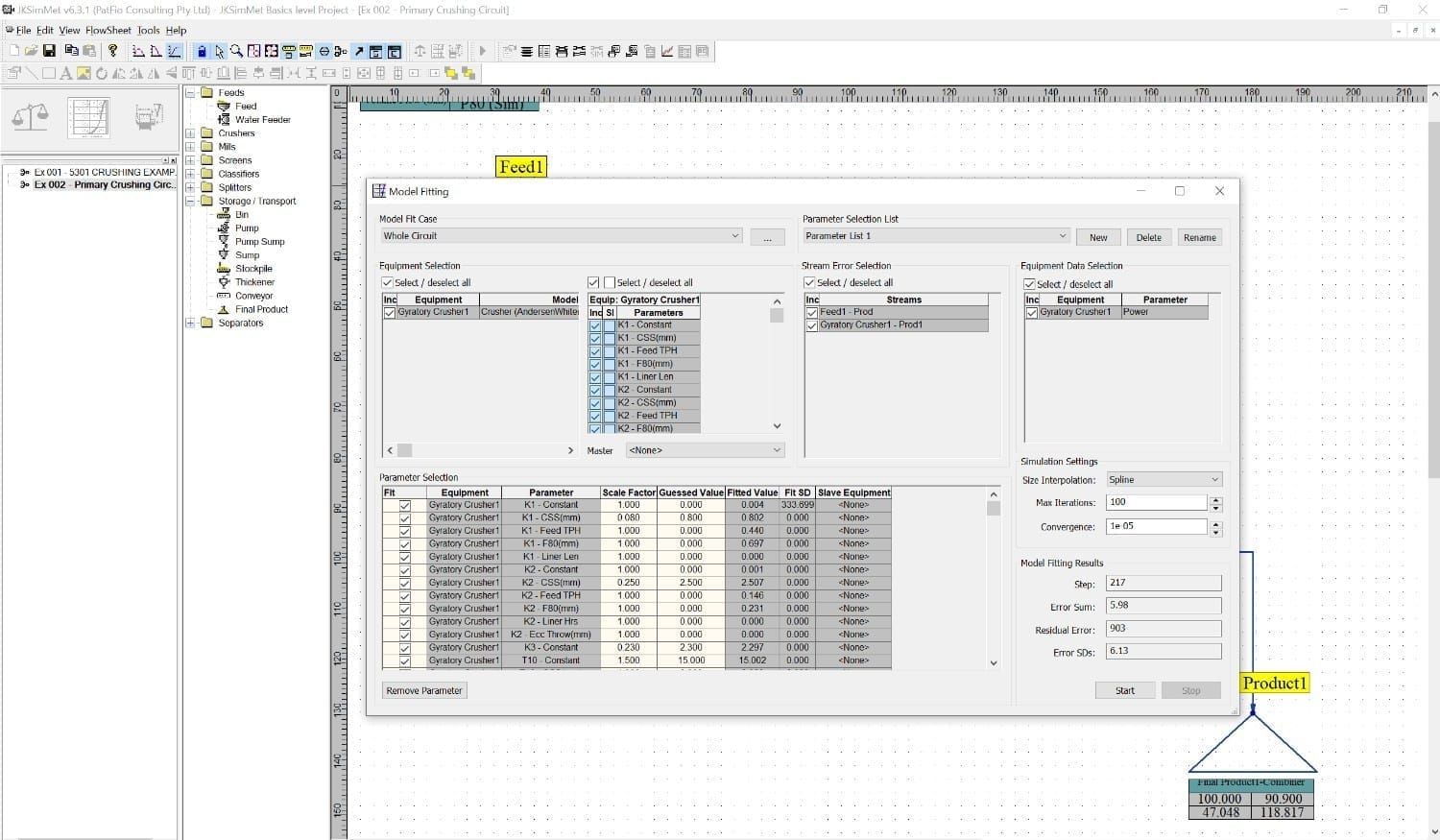
Become a JKSimMet-Certified Simulation Expert in 12 Weeks
Trainings Available
Basic Training: Mineral Process Modeling & Simulation in JKSimMet
($USD450.00)
Module 1: Introduction to Process Simulation in Mining
Importance of process modelling & simulation in mineral processing
Role of JKSimMet in comminution and classification circuits
Overview of case studies where JKSimMet adds value
Hands-On Activity: Explore the JKSimMet interface and understand its workspace.
Module 2: Getting Started with JKSimMet
Software environment and navigation
Setting up a new project
Understanding data requirements (plant surveys, test data, lab results)
Hands-On Activity: Create a simple project and input sample data.
Module 3: Unit Models and Flowsheet Building
Introduction to comminution and classification units (crushers, mills, screens, cyclones)
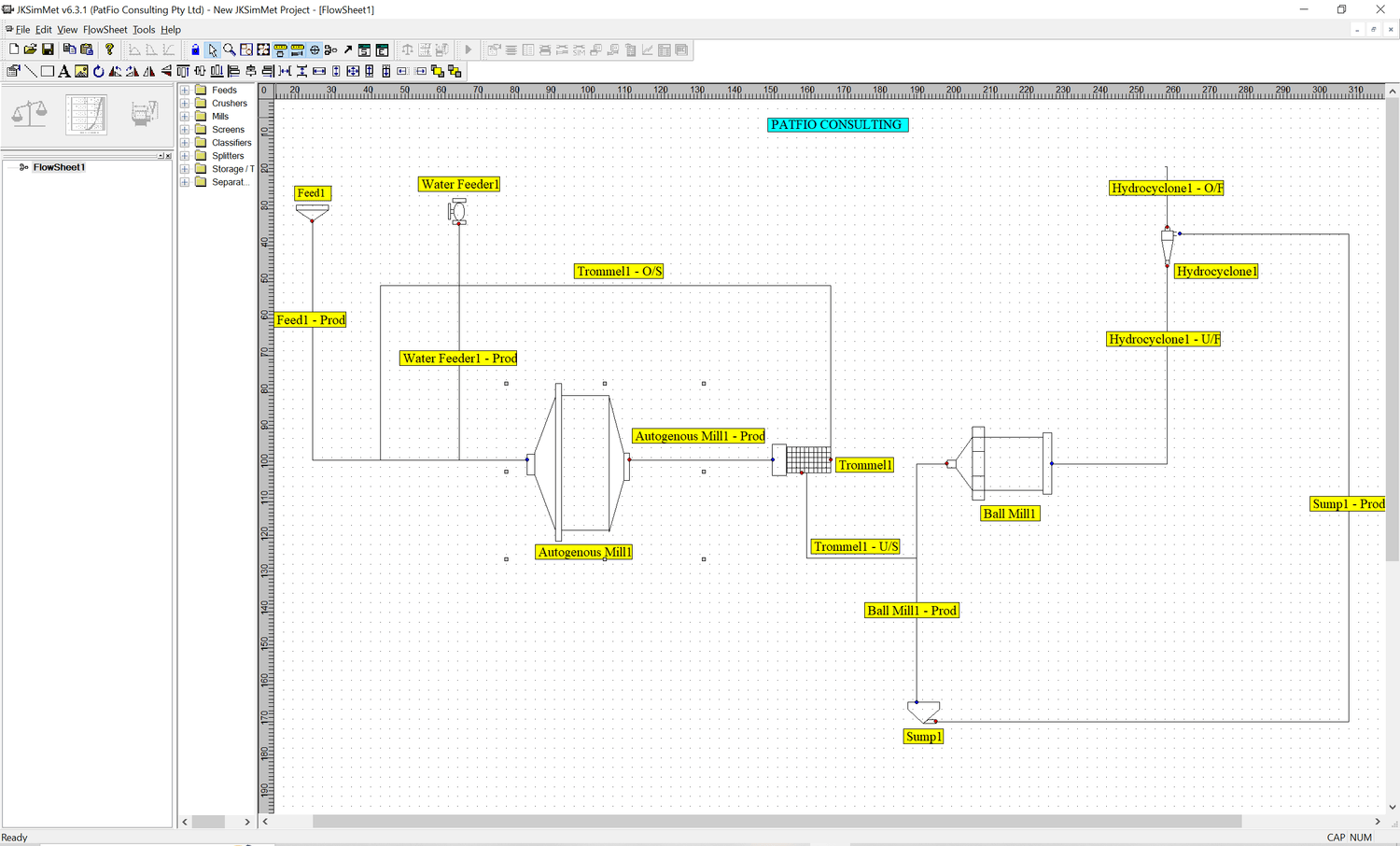
Drag-and-drop flowsheet construction
Linking unit operations and streams
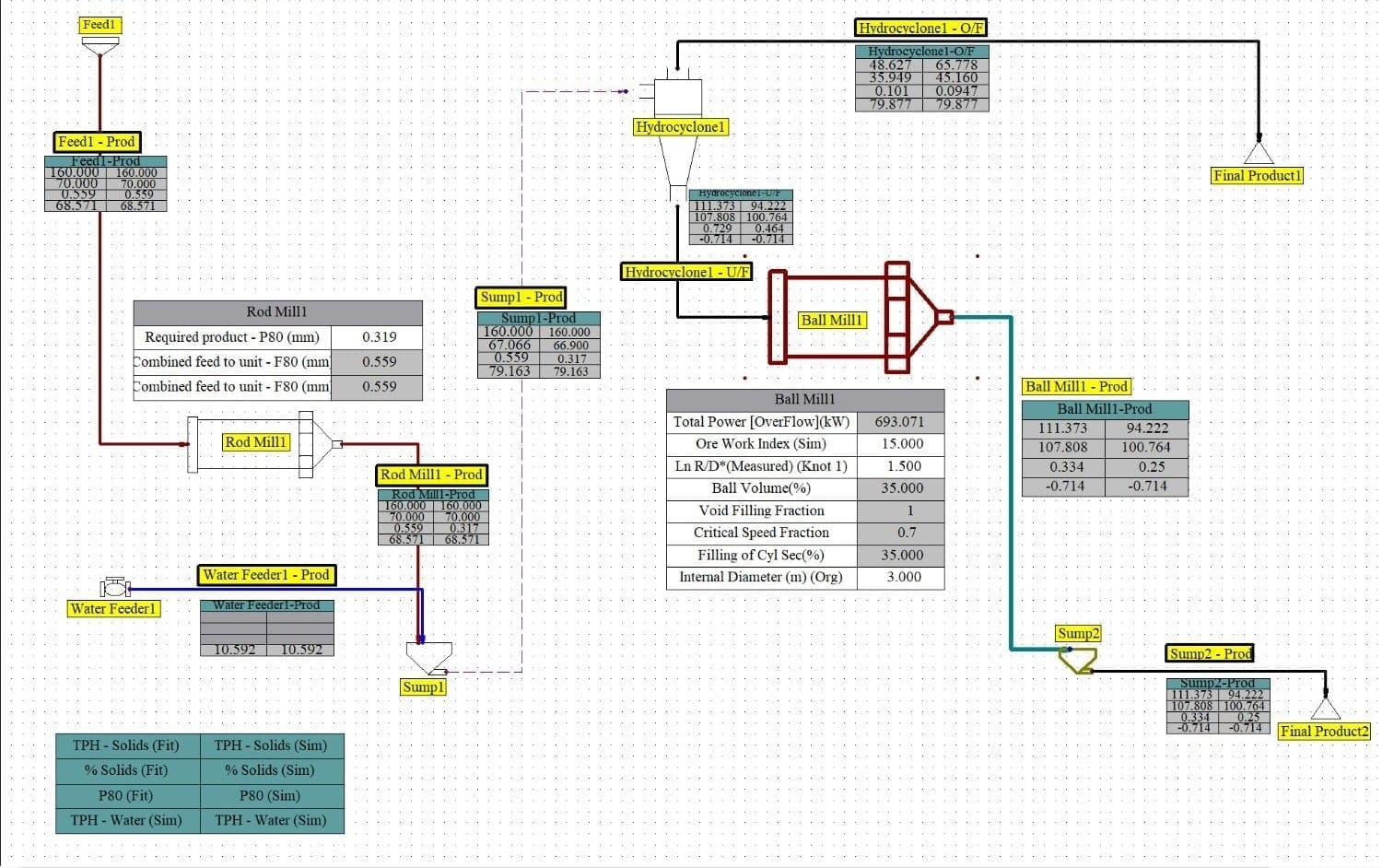
Hands-On Activity: Build a basic grinding circuit flowsheet step by step.
Module 4: Data Input and Calibration
Entering operating and design data
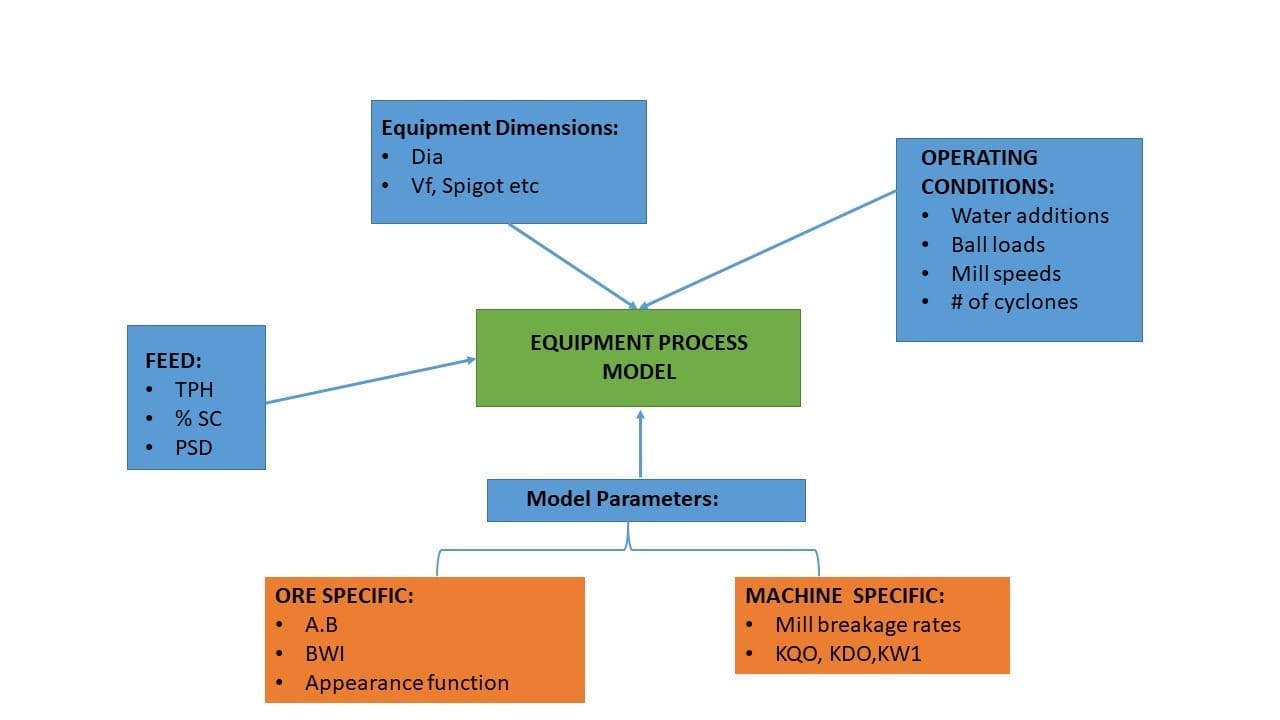
Calibration of unit models to match plant performance
Understanding parameters and error checking
Hands-On Activity: Calibrate a ball mill model using sample plant data.
Module 5: Simulation Runs & Analysis
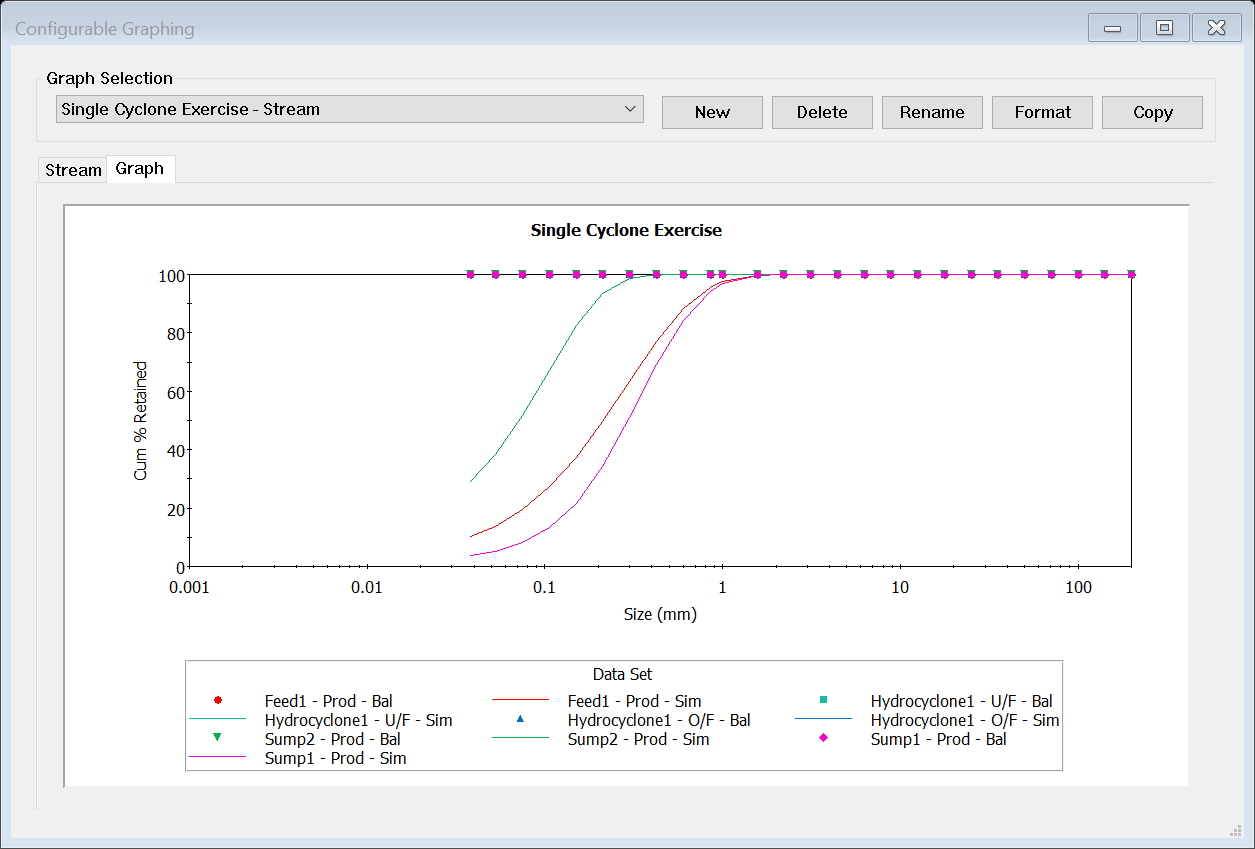
Running simulations and interpreting results
Mass balancing and performance metrics (throughput, P80, classification efficiency)
Identifying circuit bottlenecks
Hands-On Activity: Simulate a grinding circuit and analyze mass balance reports.
Module 6: Circuit Modification and Scenario Testing
Testing “what-if” scenarios (e.g., changing mill speed, cyclone diameter)
Evaluating effects on throughput, product size, and energy use
Introduction to optimization strategies
Hands-On Activity: Compare base case vs. modified circuit scenarios.
Module 7: Reporting and Communication of Results
Exporting simulation outputs and flowsheets
Preparing technical reports for decision-making
Best practices in presenting simulation findings to management/clients
Hands-On Activity: Generate a summary report with flowsheet and key results.
Capstone Exercise: Mini-Project
Participants complete a guided end-to-end project:
Build a flowsheet for a grinding & classification circuit
Input plant data and calibrate models
Run simulations and test improvement scenarios
Prepare a professional short report
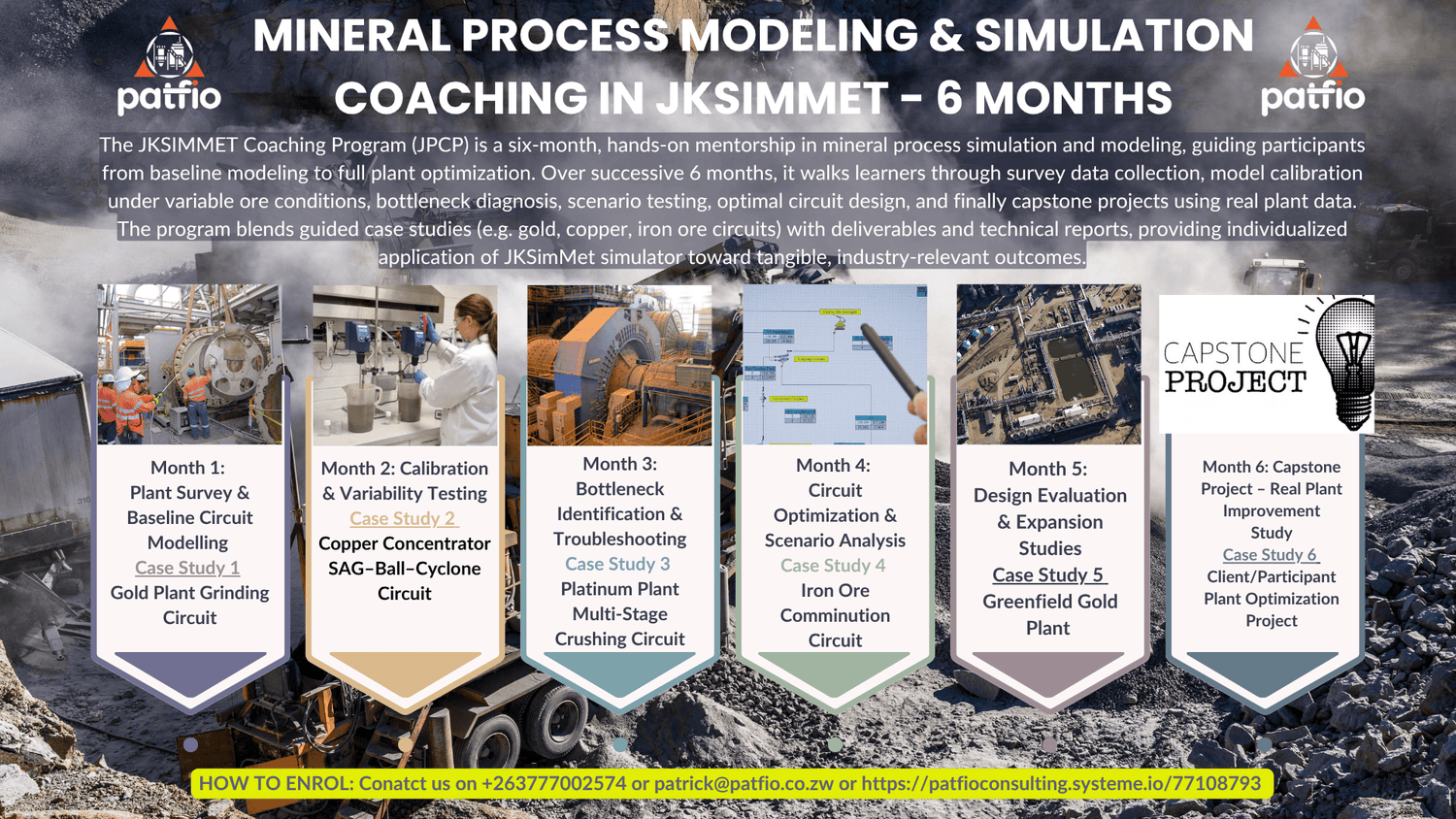
JKSimMet Premium Coaching Program (JPCP)
($USD3,500.00)
Month 1: Plant Survey & Baseline Circuit Modelling
Case Study 1 – Gold Plant Grinding Circuit
Objective: Develop a baseline model of a single-stage ball mill + cyclone circuit using survey data.
Tasks:
Collect and prepare sample survey data (ore feed size distribution, cyclone overflow/underflow, ball mill operating parameters).
Build and calibrate the JKSimMet model.
Validate mass balance closure and identify data gaps.
Deliverable: A calibrated baseline flowsheet and technical note describing model assumptions and plant performance.
Month 2: Calibration & Variability Testing
Case Study 2 – Copper Concentrator SAG–Ball–Cyclone Circuit
Objective: Handle complex datasets and calibrate a SAG + Ball Mill circuit.
Tasks:
Input multiple ore hardness datasets (JK Drop Weight Test or Bond Work Index).
Calibrate models under variable ore conditions.
Conduct sensitivity analysis on mill filling, speed, and ore variability.
Deliverable: A report comparing calibration performance under different ore types and highlighting variability impacts.
Month 3: Bottleneck Identification & Troubleshooting
Case Study 3 – Platinum Plant Multi-Stage Crushing Circuit
Objective: Identify and resolve throughput constraints in a 3-stage crushing circuit with screens.
Tasks:
Model existing crushing plant performance.
Identify limiting units (e.g., secondary crusher choke, screen inefficiency).
Run scenarios: new crusher settings, screen aperture changes, or equipment upgrades.
Deliverable: Bottleneck analysis report with quantified gains from recommended interventions.
Month 4: Circuit Optimization & Scenario Analysis
Case Study 4 – Iron Ore Comminution Circuit
Objective: Optimize a grinding and classification circuit for throughput and product size.
Tasks:
Build flowsheet for SAG + Ball + Cyclone configuration.
Simulate “what-if” changes: cyclone diameter, apex size, ball size distribution, mill speed.
Compare baseline vs. optimized scenarios for P80, circulating load, and energy use.
Deliverable: Optimization report with ranked scenarios and predicted outcomes.
Month 5: Design Evaluation & Expansion Studies
Case Study 5 – Greenfield Gold Plant Design
Objective: Evaluate alternative circuit designs for a new plant.
Tasks:
Use ore testwork data to design two possible circuits (e.g., SAG–Ball–Cyclone vs. HPGR–Ball–Cyclone).
Simulate and compare performance for throughput, grind size, and power consumption.
Recommend the most cost-effective and efficient option.
Deliverable: Comparative design report with flowsheets, performance summaries, and justification for preferred circuit.
Month 6: Capstone Project – Real Plant Improvement Study
Case Study 6 – Client/Participant Plant Optimization Project
Objective: Apply all learned skills to a real client plant or participant’s own operation.
Tasks:
Define problem (e.g., low throughput, excessive energy consumption, poor classification efficiency).
Collect and clean real survey data.
Build, calibrate, and validate circuit models.
Test multiple optimization strategies and quantify benefits.
Prepare a final technical report and present recommendations to peers and instructors.
Deliverable: Professional project report & presentation showing real-world problem-solving impact.
Advanced Training: Mineral Process Modeling & Simulation in JKSimMet
($USD550.00)
Module 1: Review of Fundamentals & Transition to Advanced Use
Quick refresher of basic JKSimMet workflows
Key gaps between basic and advanced modelling
Importance of calibration accuracy for high-level decision-making
Hands-On Activity: Recalibrate an existing model with more complex datasets.
Module 2: Advanced Data Handling & Survey Design
Best practices for plant sampling and survey planning
Handling noisy or incomplete datasets
Integrating multiple data sources (lab, pilot, and plant scale)
Hands-On Activity: Conduct a virtual “plant survey” and prepare the dataset for modelling.
Module 3: Complex Circuit Modelling
Multi-stage crushing and grinding circuits
Advanced classification configurations (screens + cyclones in combination)
Modelling recycle streams and split flows
Hands-On Activity: Build and simulate a multi-stage SAG–ball mill–cyclone circuit.
Module 4: Advanced Calibration Techniques
Model fitting strategies for non-standard circuits
Handling difficult calibration cases (e.g., variable ore hardness)
Sensitivity analysis of key parameters
Hands-On Activity: Calibrate a SAG mill with variable ore data and test sensitivity.
Module 5: Optimization & Scenario Testing
Identifying circuit bottlenecks and constraints
“What-if” analysis for throughput, grind size, and energy efficiency
Use of JKSimMet in debottlenecking and expansion studies
Hands-On Activity: Run optimization scenarios to maximize plant throughput under constraints.
Module 6: Circuit Design & Scale-Up
Using JKSimMet for greenfield circuit design
Equipment sizing and scale-up principles
Benchmarking against alternative circuit configurations
Hands-On Activity: Compare two design options for a new grinding circuit.
Module 7: Integration with Other Tools & Best Practices
Linking JKSimMet outputs with Excel, or plant monitoring tools
Building workflows for repeat use
Troubleshooting common user errors at advanced level
Hands-On Activity: Export simulation results for integration into a techno-economic analysis.
Capstone Project: Advanced Circuit Optimization Study
Participants complete a realistic case study, including:
Design a plant survey & dataset
Build and calibrate a multi-stage circuit model
Conduct optimization and scenario testing
Present findings and recommendations in a professional report
Throughput Maximization – identify bottlenecks and hidden capacity
Identifies bottlenecks in crushing, grinding, or classification and shows how to unlock hidden capacity.
Grinding Circuit Design & Optimization – SAG, Ball & Rod Mills
Simulates SAG, ball, and rod mill performance to predict size reduction and optimize circuit layout.